Accidents Caused by Stumbling, Tumbling, and Upsets
In the bustling world of farming and gardening, the risk of slips, trips, and falls is a common concern. To minimize these incidents, safety guidelines from Ohio State University Extension and Worksafe Victoria offer valuable advice.
Firstly, maintaining good housekeeping is crucial. Keeping work areas clean and free of hazards such as water, mud, cords, hoses, and tools can significantly reduce the chances of trips or slips.
Secondly, using appropriate equipment is essential, especially when it comes to ladders, a common tool in fruit picking or greenhouse work. Regular inspections and fall protection protocols are vital, including proper training and use of harnesses or edge protection where necessary.
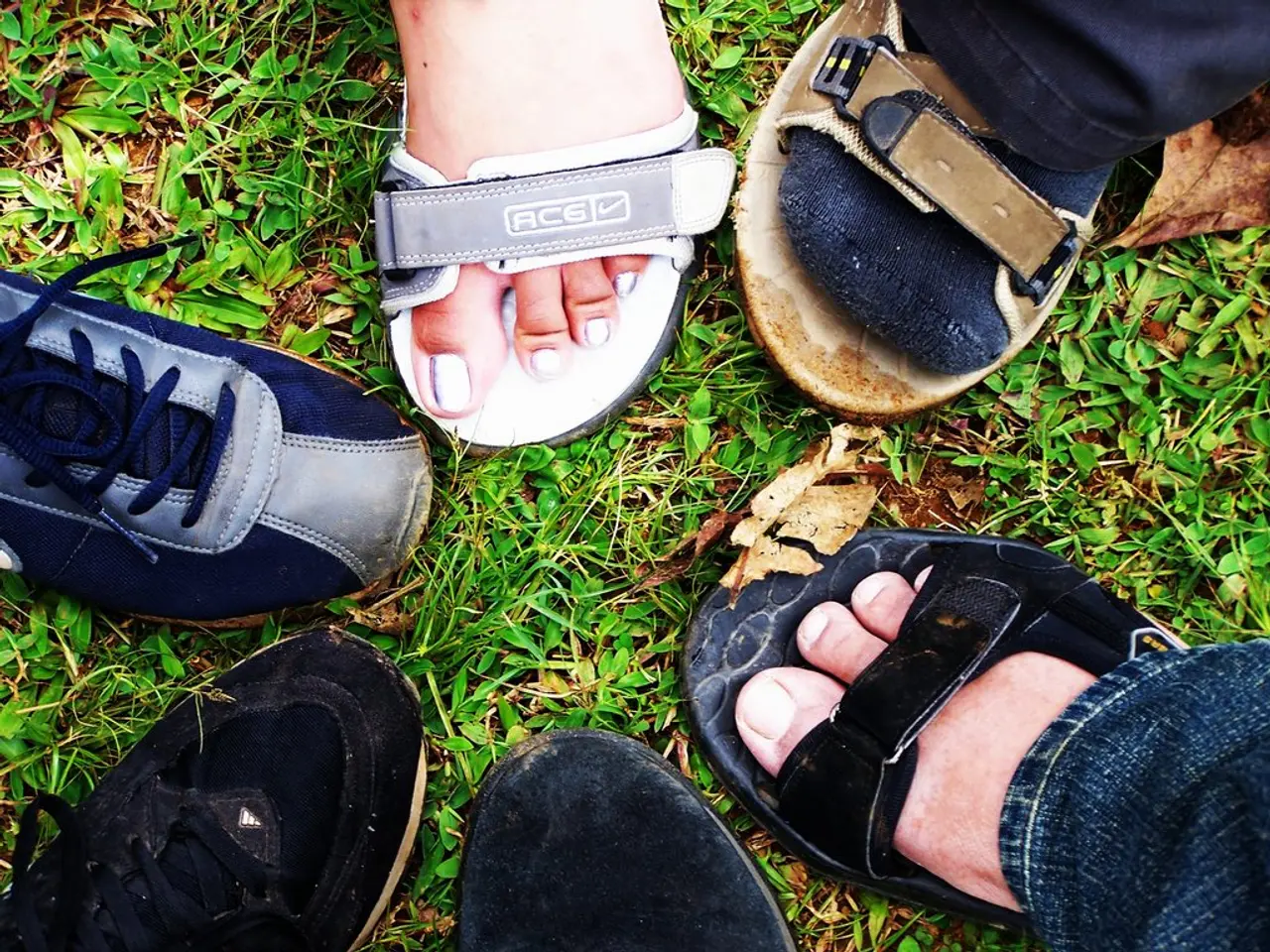
Thirdly, wearing proper footwear is key. Footwear that fits well and has good tread for adequate traction is recommended. Regular checks and replacements of worn-out footwear can prevent slips on wet or slippery surfaces.
Awareness of environmental conditions is also important. Sudden temperature drops that create ice or wet surfaces can increase slip risk. Adjusting practices accordingly to these changing hazards can help prevent accidents.
Following training and fall protection requirements, as mandated by OSHA and similar bodies, is also essential. Ensuring workers understand hazards and proper use of Personal Protective Equipment (PPE) including harnesses and anchor points is crucial.
In addition, nonslip surfaces should be installed in processing areas or areas prone to wetness. Overextending extension ladders should be avoided, and they should be locked in place before climbing. Staircases should be kept clean and uncluttered to prevent trips.
Using an approved ladder instead of standing on tables, chairs, buckets, or other unstable platforms is advisable. Many injuries and their causes can be eliminated with planning and work environment awareness.
A proper ladder has two side rails joined by regularly spaced crosspieces, allowing for up and down movement. The bottom of extension ladders should be placed a distance of 1 foot for every 4 feet of the height between the base of the wall and the point where the ladder contacts the wall.
If an extension ladder is used to access a roof or a second floor, the top of the ladder should extend 36 inches beyond the top point of contact on the roof. Running should be avoided, even in a hurry, to prevent slips and falls. Drawers, cabinets, doors, and closets should be closed after use to prevent tripping hazards.
By following these guidelines, we can create a safer environment for everyone working in farming and gardening, reducing the risk of slips, trips, and falls and ensuring a safer, more productive work environment.
- Integrating science and agriculture can lead to developing stronger workplace-wellness programs, focusing on ergonomic and safety training to improve farmers' and gardeners' health-and-wellness by understanding the biomechanical needs of their bodies during work.
- A comprehensive approach to workplace-wellness can include promoting health-and-wellness products and practices, such as stress management techniques, exercise routines, and proper nutrition. These strategies, combined with agriculture safety guidelines, can create a holistically healthier environment for all workers in the farming and gardening industry.