
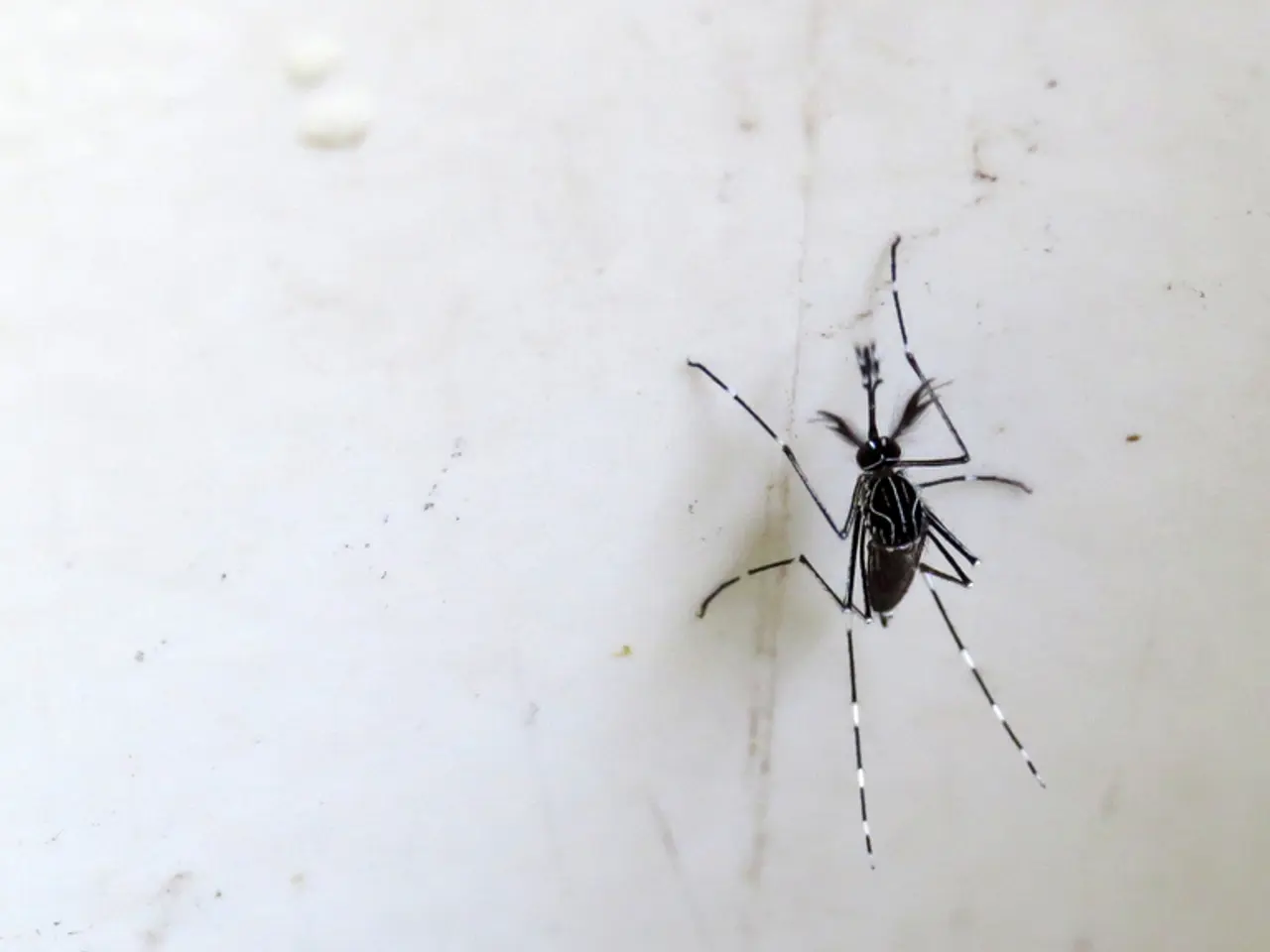
Chickenpox cases in China are moving towards Russia
Rospotrebnadzor, the Russian federal service responsible for consumer protection, environmental hygiene, and disease control, is taking proactive measures to monitor and prevent the spread of Chikungunya fever in Russia.
At border checkpoints, an automated information system called the Perimeter system is operational. This system helps identify travelers showing signs of infectious diseases, including Chikungunya, upon arrival. In addition, domestic test systems are used to detect possible cases.
Currently, there are no reported cases of Chikungunya fever in Russia, but the risk of importation exists. To minimize this risk, Rospotrebnadzor recommends that travelers take precautions to avoid mosquito bites, such as using repellents, mosquito nets, and wearing clothing that covers the skin.
It's worth noting that Chikungunya is a viral infection transmitted to humans through the bites of bloodsucking insects, such as mosquitoes. The disease is currently being observed in China's Guangdong province.
In terms of the plague, while there are existing risks of importation in Russia, the risk is currently assessed as minimal due to continuous monitoring of natural foci and the use of modern detection systems. The Perimeter system, while effective in identifying individuals with symptoms of infectious diseases, is not specifically mentioned as being used for the plague.
Rospotrebnadzor's efforts to prevent the spread of Chikungunya and other dangerous infections extend beyond the border. They have strengthened sanitary and epidemiological control at border crossing points to prevent the importation of infections like the plague.
In summary, the main strategies at border checkpoints involve screening travelers through the Perimeter system and testing, combined with public health recommendations to minimize mosquito exposure. This comprehensive approach aims to protect the health and safety of all Russians.
[1] Rospotrebnadzor website: https://www.rospotrebnadzor.ru/media/14311/novy_reglament_o_vnesenii_v_deystvie_pravil_o_proverke_zagranichnyh_puteshestvennikov_po_stankovyim_punktam_v_rossii_ot_30_avgusta_2021_goda.pdf [2] Rospotrebnadzor website: https://www.rospotrebnadzor.ru/media/14311/novy_reglament_o_vnesenii_v_deystvie_pravil_o_proverke_zagranichnyh_puteshestvennikov_po_stankovyim_punktam_v_rossii_ot_30_avgusta_2021_goda.pdf
- The Perimeter system, a crucial automated information system operated by Rospotrebnadzor, assists in identifying travelers with potential medical-conditions such as Chikungunya upon arrival at Russian border checkpoints, aligning with the science of epidemiology and health-and-wellness.
- In the realm of health-and-wellness, Rospotrebnadzor proactively employs science-based strategies to combat the importation of dangerous medical-conditions like Chikungunya, including domestic test systems, public health recommendations, and strengthened sanitary and epidemiological control at border crossing points.