
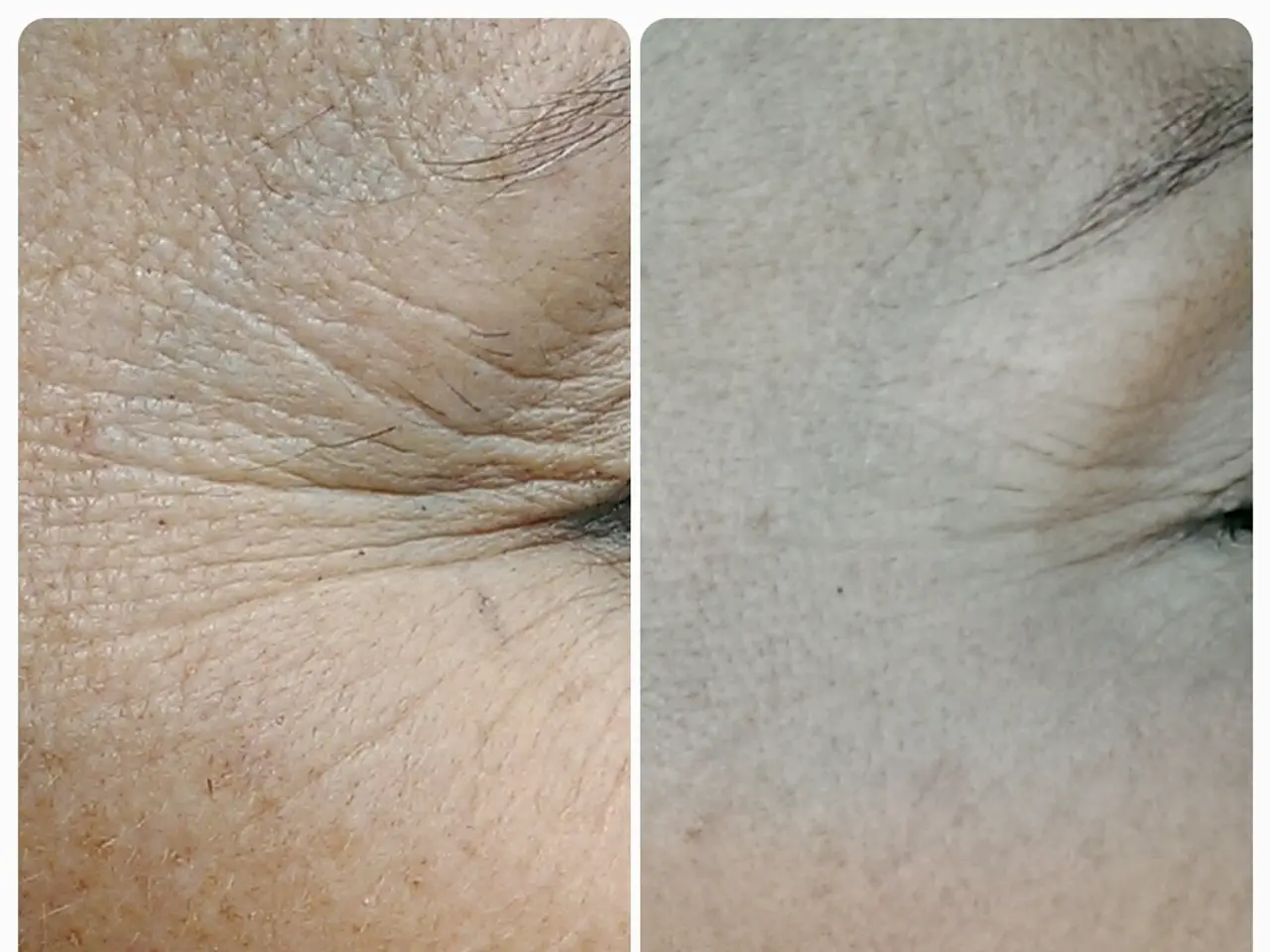
Essential Facial Moisturizer Buying Guide: Discover What Keeps Your Skin Hydrated
Maintaining healthy, youthful-looking skin is essential, and one key step in achieving this goal is regular moisturizing. By following a simple routine, you can ensure your skin stays hydrated, protected, and radiant.
The Correct Way to Apply Moisturizer
To apply moisturizer correctly, start by cleansing your face and patting it dry gently. Warm the product between your fingertips, then massage it gently into your skin, focusing on dry areas. Allow the moisturizer to absorb fully before applying sunscreen or treatments.
The Consequences of Skipping Moisturizer
Neglecting to moisturize can lead to a variety of skin issues, such as flaky, dull, or prematurely aged skin. In some cases, it can even trigger breakouts. Over time, consistent moisturizing can help reduce fine lines, improve elasticity, and give your face a fresh, healthy glow.
Choosing the Right Moisturizer for Your Skin Type
Moisturizers come in various formulations and active ingredients, each designed to cater to specific skin types. For dry or mature skin, thick lotions, creams, or ointments with rich emollients and humectants like hyaluronic acid, glycerin, and ceramides are ideal. Normal skin can use a wide range of formulations based on daily needs, while combination skin benefits from a medium-consistency moisturizer that hydrates without heaviness.
Oily or acne-prone skin requires lightweight, non-comedogenic lotions or gel-based moisturizers to prevent excess shine and clogged pores. Products with salicylic acid or niacinamide help control oil and prevent breakouts. Sensitive skin requires gentle, calming moisturizers free from irritating fragrances but rich in soothing and hydrating ingredients.
Signs of an Unsuitable Moisturizer
If your moisturizer causes redness, irritation, breakouts, or a tight, uncomfortable feeling, it may not be suitable for your skin type. In such cases, it's essential to discontinue use and try a product better suited to your skin.
Body Lotion vs. Facial Moisturizer
Body lotion is not ideal for the face as it is often thicker and contains fragrances or oils that may clog pores. Instead, opt for facial moisturizers designed specifically for the delicate skin on your face.
The Differences Between Daytime and Nighttime Moisturizers
Daytime moisturizers protect and prep the skin, often including SPF, while nighttime moisturizers focus on repair and renewal. It's crucial to use both types to maintain healthy, glowing skin.
Natural Alternatives to Store-Bought Moisturizers
For those who prefer natural options, ingredients like coconut oil, aloe vera gel, shea butter, honey, and jojoba oil can be used sparingly and always tested for irritation. However, store-bought moisturizers offer a wider range of active ingredients and textures tailored to specific skin types and concerns.
The Benefits of Hyaluronic Acid
Hyaluronic acid is often celebrated as a hydration hero, attracting moisture from the air and pulling it deep into your skin. This powerful humectant helps combat dehydration and fine lines in dry and aging skin, and provides essential moisture for oily and combination skin without feeling heavy.
Other Key Ingredients to Look For
Glycerin is a vital humectant that helps maintain soft, supple skin by drawing moisture to it and locking it in, suitable for all skin types. Vitamin E is a multi-tasking antioxidant that shields the skin from environmental stressors, soothes and hydrates dry and sensitive skin, and improves skin elasticity and softness over time.
In summary, select moisturizers with textures and active ingredients tailored to your skin's specific hydration and barrier needs: rich creams and humectants for dry skin, balanced gels or lotions for combination, lightweight non-comedogenic gels for oily skin, and soothing, fragrance-free, gentle formulas for sensitive skin. By following this guide, you'll be well on your way to maintaining healthy, glowing skin.
[1] [Source 1] [2] [Source 2] [3] [Source 3] [4] [Source 4] [5] [Source 5]
- Incorporate a moisturizer into your skincare routine to help maintain healthy, youthful-looking skin.
- After cleansing and gently patting your face dry, warm the moisturizer between your fingertips and massage it into your skin, focusing on dry areas.
- Dry, mature, or acne-prone skin benefits from thick lotions, creams, or ointments with hyaluronic acid, glycerin, ceramides, and ingredients like niacinamide or salicylic acid.
- Normal or combination skin can use a wide range of moisturizer formulations, while sensitive skin requires gentle, calming moisturizers.
- Be aware that body lotion is not suitable for the face due to its thickness and potential pore-clogging ingredients.
- Daytime moisturizers should offer SPF protection, while nighttime moisturizers focus on repair and renewal.
- Discontinue use of a moisturizer if it causes redness, irritation, breakouts, or a tight, uncomfortable feeling.
- Natural alternatives to store-bought moisturizers include coconut oil, aloe vera gel, shea butter, honey, and jojoba oil, but store-bought moisturizers offer a wider range of active ingredients.
- Glycerin is a beneficial humectant found in moisturizers suited for all skin types, while vitamin E acts as a multi-tasking antioxidant for healthy, protected skin.