Parent seeking assistance: Duties towards grandchildren are imposed, while their biological father is absent
In a heart-wrenching turn of events, the husband of a grandparent's daughter has passed away due to metastatic squamous cell carcinoma that originated in his lungs. The family is left grappling with grief and the challenges of balancing family responsibilities. Meanwhile, another grandparent finds themselves exhausted and overwhelmed by the demands of childcare.
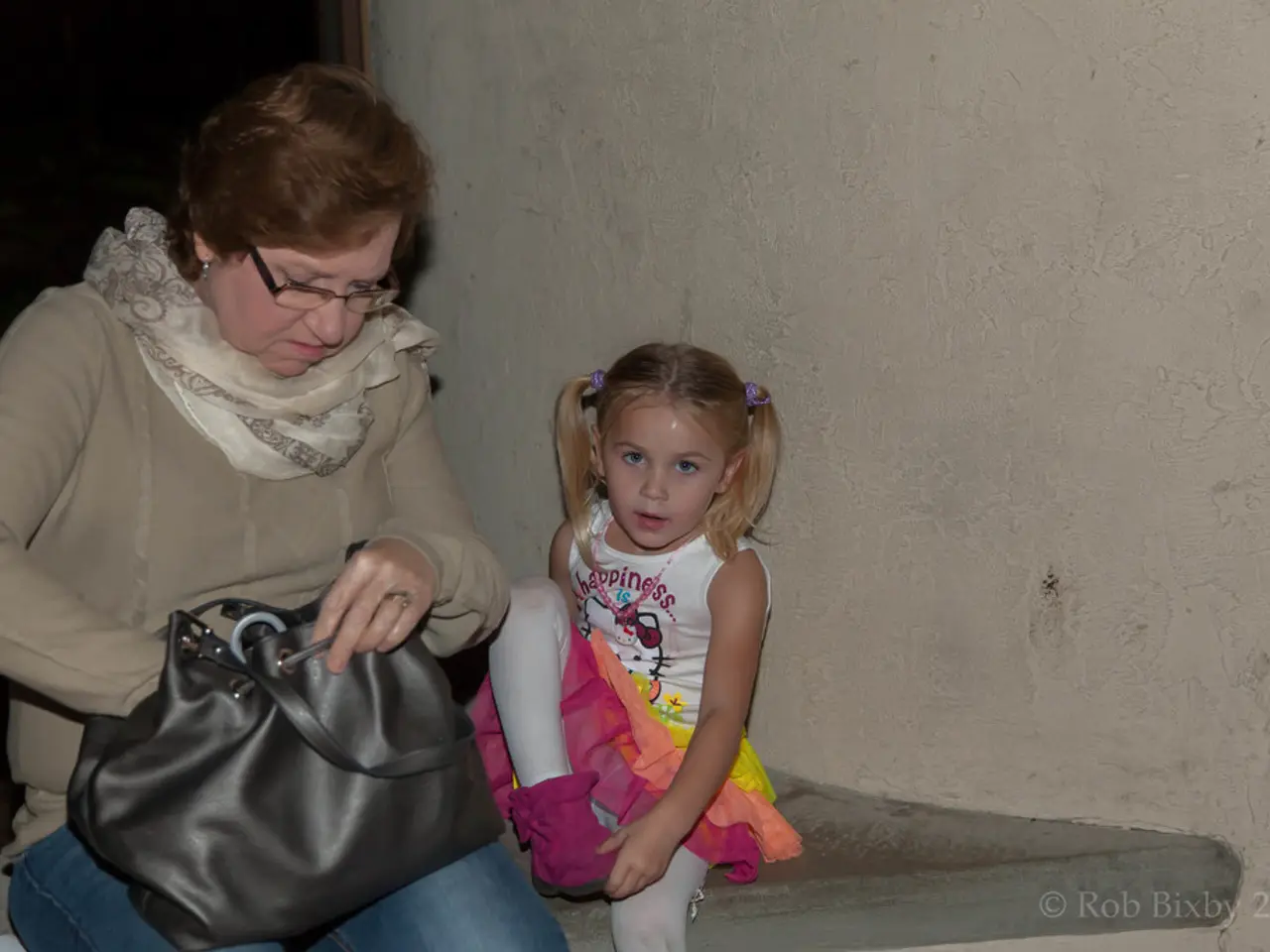
The grandparents in question have been providing free babysitting services to their grandchildren for many years, a fact that their daughter seems to take advantage of. Their son-in-law works out of town and comes home most weekends, leaving the grandparents to pick up the grandchildren from school or their babysitter every weekend. The grandchildren, aged 7 and 2, are a joy to be around, but the constant care has left the grandparents feeling drained.
In a bid to find a solution, the grandparents have tried discussing the issue with their daughter calmly, only to be met with threats of being cut off from their grandchildren if they cannot accommodate her demands. This situation is far from ideal, leaving the grandparents feeling trapped and unsure of what to do.
In a column titled "Dear Abby," written by Abigail Van Buren (also known as Jeanne Phillips) and founded by her mother, Pauline Phillips, the writer expresses their sympathy for the loss of the husband and emphasizes the importance of having a conversation about the CT scan with a doctor. A CT scan of the husband, if performed annually, could have potentially detected his cancer early in its development. Unfortunately, the husband's doctor did not advise him to have a CT scan, and he was a former smoker who had worked in a factory that exposed him to various chemicals.
The writer goes on to offer advice for grandparents finding themselves in a similar situation. Open, honest communication is key, they say. Grandparents should have a calm and direct conversation with their daughter about what childcare support they can realistically provide and where they need to draw the line. Setting clear, specific boundaries is also essential. This might mean limiting childcare to certain days, hours, or types of activities, and explicitly stating when they are unavailable.
Consistency is crucial in maintaining these boundaries. Once they are set, they should be maintained consistently to prevent misunderstandings or escalating demands. Being assertive without guilt helps preserve the grandparents’ independence and wellbeing. Mutual respect is another important factor. Encourage a respectful dialogue that acknowledges the daughter’s needs but also emphasizes the grandparents’ right to rest and personal time.
Lastly, using "I" statements can help express feelings and limits from a personal perspective. For instance, "I feel overwhelmed when asked to provide full-time childcare" rather than blaming or criticizing. This balanced approach helps grandparents support their family without becoming overburdened or compromising their own boundaries and independence.
For those facing similar challenges, the writer encourages readers to contact Dear Abby at DearAbby.com or P.O. Box 69440, Los Angeles, CA 90069. In a world where family dynamics can sometimes feel overwhelming, it's important to remember that setting boundaries and prioritising self-care is not selfish, but essential for maintaining a healthy and happy family life.
- In light of their son-in-law's medical-conditions and the grandparents' own health-and-wellness concerns, it's vital for the family to consider lifestyle changes that promote balance and wellbeing.
- Navigating the tricky waters of parenting and family-dynamics, it's essential for the grandparents to engage in open relationships discussions with their daughter to establish boundaries that are fair for everyone involved.
- Seeking advice from experts, such as Dear Abby, on managing childcare responsibilities while safeguarding personal health and wellness can be a valuable resource for those grappling with similar issues in their family-dynamics.