Technology Access Assistance for Seniors: Top 10 Programs Offering Free Computers
In an era where technology plays an increasingly significant role in daily activities, many seniors find themselves left behind. However, various government programs and non-profit organisations in the United States are working tirelessly to bridge this digital divide. This article aims to provide a comprehensive guide to the resources available for seniors seeking free or low-cost computers.
Senior community centres, faith-based organisations, and neighbourhood associations are among the entities offering one-on-one tutoring sessions for basic computer skills and device distribution events. In addition, organisations such as New York's Technology Training for Older Adults supply devices plus 12 hours of instruction.
Technology integration transforms daily activities for seniors, improving social connection, healthcare access, financial management, mental stimulation, independent living, community involvement, personal safety, and lifelong learning.
To qualify for these free computers, seniors typically need to meet income requirements (usually 135-200% of Federal Poverty Level), be aged 65 or older, and provide documentation like photo ID, proof of income, and address verification.
### Government Programs
The Lifeline Program, a federal initiative, provides monthly discounts on broadband or phone services to low-income households, including seniors. Eligibility is based on income at or below 135% of federal poverty guidelines or participation in federal assistance programs like SNAP, SSI, or Medicaid. Seniors can apply via the Lifeline National Verifier online platform.
Other government laptop programs may also provide free laptops to low-income families and individuals. Eligibility typically requires proof of low-income status, U.S. citizenship, a valid address, and income verification.
### Non-Profit Organizations Providing Free or Low-Cost Computers to Seniors
EveryoneOn, a national nonprofit, connects eligible low-income individuals to affordable internet services, computers, and digital literacy courses. Eligibility is based on income-based criteria, and seniors can find offers and apply using their online locator tool.
PCs for People offers refurbished computers and affordable internet access to low-income individuals and families. Eligibility is based on enrolment in an income-based government assistance program or household income below 200% of federal poverty guidelines. Purchases include a one-year warranty.
Computers with Causes provides refurbished computers to students and individuals in need, focusing on educational and low-income individuals. Seniors can submit an application to be considered.
human-I-T supplies low-cost internet, refurbished tech, and digital training to qualifying individuals and nonprofits. Eligibility is based on income or assistance program verification.
The On It Foundation provides free computers, internet, and training to low-income families with K-12 students. Seniors can apply on the On It Foundation website.
### Additional Support Programs
Veteran & Active Military Discounts offer special discounts on internet and devices available for veterans and seniors via dedicated veteran programs.
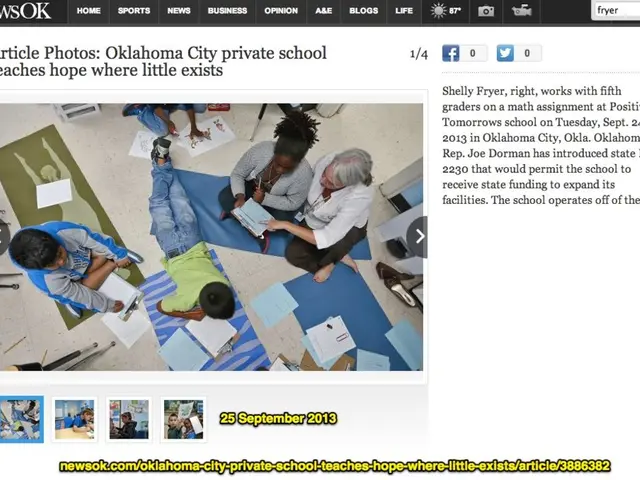
Local Digital Literacy Programs provide free computer training and support for seniors to improve digital skills and help with applications for device programs. For example, Comcast funds programs like Technology for Tomorrow in Vermont that train Digital Navigators to assist seniors in gaining access to technology.
### Summary of Eligibility & Application Steps
| Program/Organization | Eligibility Criteria | Application Process | |----------------------------|------------------------------------------------------------------|---------------------------------------------| | Lifeline | Low income (≤135% FPL) or enrolled in certain federal programs | Apply online via the Lifeline National Verifier | | EveryoneOn | Income-based eligibility primarily for low-income households | Apply online using locator tool on EveryoneOn website | | PCs for People | Income-based program participation or ≤200% FPL income | Apply online with proof of income/assistance program enrollment| | Computers with Causes | Need-based, students or individuals | Submit application on their website | | human-I-T | Low income or enrolled in programs | Online application | | The On It Foundation | Families with K-12 students in low-income households | Apply on the On It Foundation website |
### How to Proceed
1. **Assess your eligibility** based on income or program participation. 2. Visit the websites of these nonprofits (EveryoneOn, PCs for People, etc.) and government portals (Lifeline). 3. Complete the online applications providing necessary documentation like proof of income, assistance program enrollment, and residency. 4. Consider enrolling in local digital literacy or training programs for additional support and guidance.
These programs primarily target *low-income seniors* and often require proof of income or participation in federal/state assistance programs. Seniors without internet access can also apply for discounted broadband programs to complement device access.
If you are a senior or assisting one, starting with EveryoneOn and PCs for People is recommended due to their nationwide presence and clear application process. Checking eligibility for the Lifeline program can also reduce internet costs, which often accompanies device access programs.
No single repository exists for all programs, so using nonprofit locators and contacting local senior centres or aging agencies may provide additional opportunities tailored to your location. For example, Texas's Digital Inclusion Program provides computers through Area Agencies on Aging.
Beyond traditional programs, seniors can obtain free computers through refurbishment programs, local community centres, public libraries, and educational institutions. The Computers for Learning program redistributes surplus federal equipment to eligible seniors. Community centres maintain waitlists for available computers.
Popular platforms like SeniorNet and AARP's Senior Planet provide interactive video tutorials, step-by-step guides, practice exercises, and peer support. California's Tech4Seniors distributes refurbished computers through local senior centres. Public libraries operate technology donation programs.
Free computer programs often include essential training resources, such as basic skills classes at local libraries and online learning platforms specifically designed for older adults. Seniors living in qualifying geographic areas can access free computers through refurbishment programs. Digital learning platforms offer flexible self-paced courses for seniors.
The Affordable Connectivity Program (ACP) supplies free laptops or tablets to seniors meeting income requirements. Local tech schools refurbish donated computers for seniors, installing updated operating systems, security software, and essential applications.
Access to computers helps seniors maintain independence through benefits like online banking, telehealth services, video chats with family, and access to educational resources. The Lifeline Program partners with companies to provide discounted or free devices to low-income seniors. Michigan's Connecting Seniors initiative pairs device distribution with in-home setup support.
- Social media platforms and streaming services, now integral parts of our lifestyle, can greatly enhance senior's social connection, allowing them to stay connected with family and friends virtually.
- The techno-savvy approach to health-and-wellness, including telehealth services, is increasingly essential, as it facilitates access to healthcare resources from the comfort of one's home.
- Pursuing lifelong learning through digital means, such as online courses and educational resources, can be an enriching experience for seniors, providing mental stimulation and intellectual growth.
- To ensure the safe use of technology, choosing computers with updated security software is vital for protecting personal data and privacy.
- Scientific advancements in the field of technology continue to unfold, and embracing this digital landscape can open up exciting opportunities for seniors, facilitating independent living and community involvement in today's world.