
The Fascinating Methods of Birds' Mating: Exploring the Reproductive Practices of Aviary species
In the captivating world of avian life, courtship and mating behaviors play a significant role in the life cycle of birds. This article delves into the intricacies of bird mating, exploring various courtship behaviors, reproductive organs, and the environmental factors that influence their mating seasons.
Reproductive Organs
Most birds possess internal reproductive organs. Males typically have two testes, which enlarge during the breeding season, while females generally have only the left ovary and oviduct functional to reduce body weight for flight. Unlike many other animals, birds lack external genitalia; copulation occurs via a quick "cloacal kiss" where male and female cloacas touch to transfer sperm.
Courtship Behaviors
Courtship involves visual, auditory, and tactile signals to attract mates and strengthen pair bonds. Visual displays, such as males puffing up, dancing, bowing, and feather displays, are common in various species like Feral Pigeons, peacocks, and bowerbirds. Auditory signals, like complex songs, are used by songbirds, while lyrebirds mimic sounds from their environment during display to impress females. Some species, like birds of paradise, perform intricate dances, and in some, males aggregate in specific sites (leks) and compete in displays, a behavior known as lekking.
Mating Systems
Around 90% of bird species are socially monogamous, forming pairs for at least a breeding season. However, females may still mate with multiple males to increase genetic diversity of offspring. Pair bonding is often strengthened through courtship feeding or prolonged displays.
Environmental Factors Influencing Mating Seasons
Breeding seasons in birds are timed according to environmental cues such as day length, temperature, and food availability to maximize offspring survival. Location and climate affect timing; tropical birds may have multiple or less defined breeding periods, while temperate species have distinct seasonal breeding.
Understanding how birds mate is crucial to conservation and basic ecological research, as reproductive success is crucial for the health of a population and can help conserve endangered species. Some bird species have penises, such as ducks, geese, and swans, which aid in sperm transfer. Birds generally mate in the spring or early summer when conditions are best for the task of raising chicks.
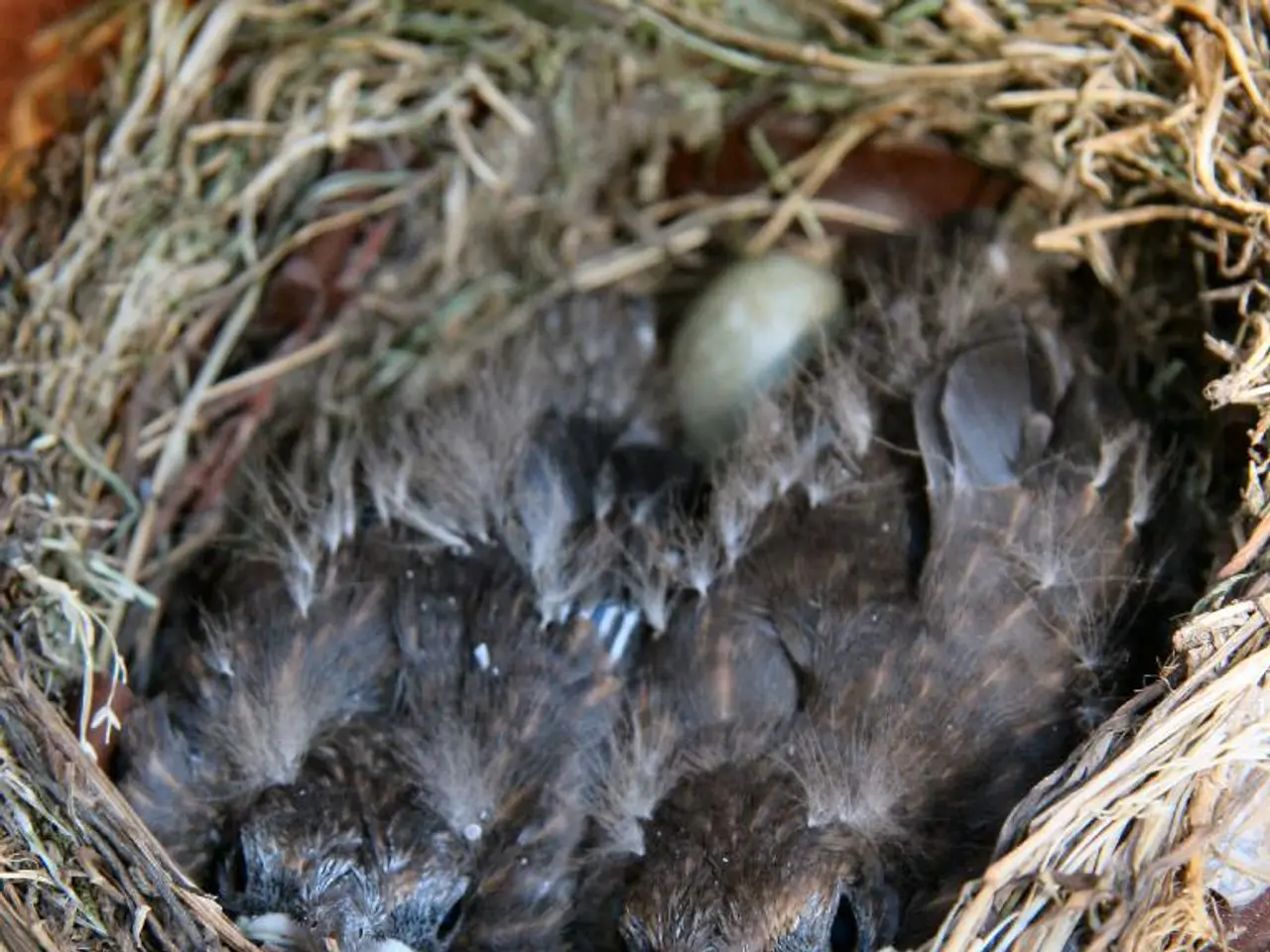
After mating, the female initiates egg laying. Nests, where birds deposit their eggs, can be diverse across species. The peacock is an example of a bird with brightly colored feathers used in courtship. Cuckoos engage in nest parasitism, laying their eggs in the nest of another species, where the hapless host raises their chicks. Bright colors in male birds are a product of sexual selection, indicating health and good genes.
Some birds can lay infertile eggs without mating, and these eggs will never hatch. Watching a "how do birds mate video" can provide a live grasp of the mating ritual. It's hard to definitively quantify animal emotions, but scientists think birds have sex mainly to reproduce, with hormonal reactions and pair bonding potentially leading to a feeling of satisfaction or an emotional attachment.
In the world of birds, mating is a complex and fascinating process, filled with unique behaviors, reproductive adaptations, and environmental influences. By understanding these aspects, we gain a deeper appreciation for the diversity and intricacy of avian life.
Birds, like ducks and swans, have reproductive organs that include male genitalia such as penises, which aid in sperm transfer. The study of these reproductive organs and mating behaviors is essential for ornithology, the science of bird life. Birdwatching can offer an up-close look at these courtship behaviors, providing insight into bird mating. Engaging in health-and-wellness activities like birdwatching can provide not just physical but mental benefits, offering a sense of tranquility and connection with nature.