Uncovering the Variety of Honey Consumed: A Closer Look
In an attempt to safeguard the authenticity of honey and support European beekeepers, the European Beekeeping Association has recently launched a promotional video () aimed at informing consumers, media, and policymakers about the issue of counterfeit honey in the European market. The video, which is 18 seconds long and intended for media publication on various channels, highlights the importance of choosing European honey and pressuring counterfeiters to withdraw from the market.
The European Beekeeping Association, led by President Boštjan Noč (our website), was founded with the main goal of fighting against counterfeit honey. According to recent data, the European honey market is flooded with counterfeit honey, ranging from 46% to 88% depending on the country. This situation is causing incalculable damage to yields in agriculture because there are no bees without beekeepers.
To combat this issue, a multi-faceted approach is being taken. Regulatory measures are in place to ensure that only genuine honey reaches consumers. The European Union strictly defines honey and prohibits the addition of ingredients like water or inexpensive sugar syrups to increase volume, which is a common adulteration tactic. This legal framework is designed to ensure that only real honey is available for purchase.
In addition to regulatory measures, authorities and researchers are increasingly employing sophisticated analytical techniques to detect counterfeit honey. Methods such as near-infrared (NIR), Fourier-transform infrared (FTIR), and Raman spectroscopy, combined with chemometric models, allow for rapid, non-destructive identification of adulterated honey. These tools can distinguish genuine honey from products blended with sugar syrups, even at low concentrations, and are being adapted for both laboratory and portable, real-time field testing.
Industry and consumer advocacy is also playing a crucial role in the fight against counterfeit honey. Beekeepers and industry groups are advocating for more robust testing regimes to keep fake honey out of domestic markets, calling for dedicated organizations or protocols to systematically verify honey authenticity. There is also growing legal pressure on producers, as seen in lawsuits challenging misleading "pure" and "natural" labeling claims in other markets—a trend that underscores the importance of accurate labeling and transparency.
For consumers, it is essential to be vigilant when purchasing honey. Checking for clear labeling that complies with EU regulations, such as genuine honey not listing added sugars, syrups, or water as ingredients, is a good starting point. While traditional tests like seeing if honey crystallizes over time, dissolves slowly in water, or doesn’t drip quickly can offer hints, these are easily fooled by sophisticated adulteration. Purchasing from reputable sources, such as trusted local beekeepers, farmers' markets, or retailers with a reputation for quality, can increase confidence in authenticity.
Consumer demand for transparency and third-party testing can also incentivize retailers and regulators to adopt more rigorous verification processes. By supporting brands that disclose testing methods, consumers can play a role in promoting honesty and integrity in the honey industry.
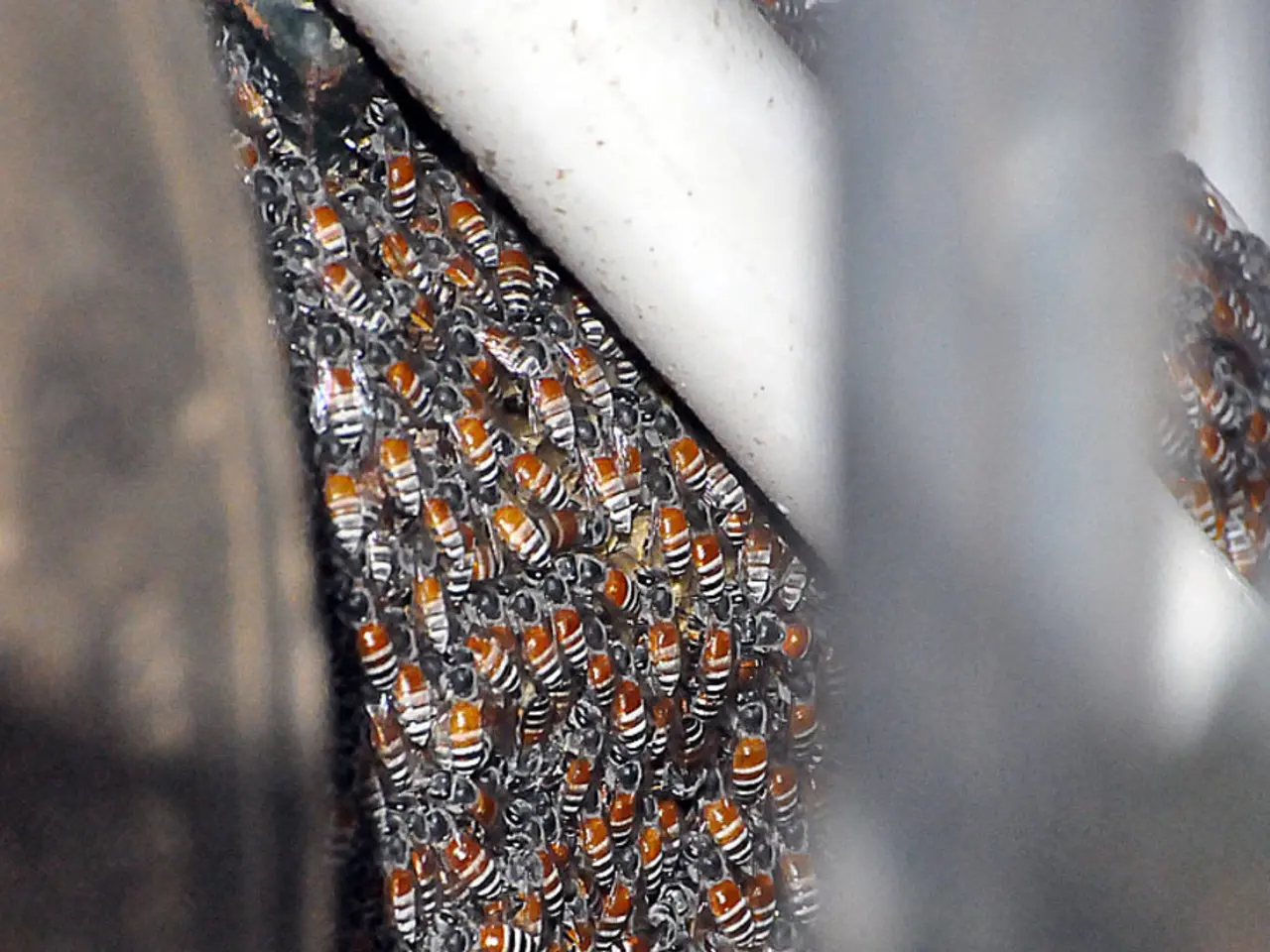
World Bee Day, celebrated on May 20th, serves as a reminder of the importance of bees for the planet. In addition to their role in pollination, real honey brings benefits for the vitality and health of people. However, with the current situation in the European honey market, consumers have less and less opportunities to buy real honey. The European Beekeeping Association seeks the media's help in their action against counterfeit honey, hoping to spread awareness and encourage responsible consumption.
For more information about why Europeans should consume European honey, visit (www.our website/europeans-choose-european-honey). Information about the importance of bees for the planet and a brief history of World Bee Day can be found (HERE). The European Commission has also issued a statement regarding imported honey, which can be found at (https://food.ec.europa.eu/safety/eu-agri-food-fraud-network/eu-coordinated-actions/honey-2021-2022_en). Counterfeit honey can contain substances harmful to health, making it crucial to prioritize the purchase of genuine honey. In some regions, beekeepers are abandoning beekeeping en masse due to financial difficulties, further emphasizing the need for consumer support in the fight against counterfeit honey.
While no consumer test is 100% reliable, combining regulatory vigilance, advanced science, and informed purchasing habits offers the best defense against counterfeit honey in Europe. By choosing European honey, consumers can support beekeepers, protect their health, and contribute to a more sustainable and honest honey market.
The European Beekeeping Association, having identified the importance of real honey for health-and-wellness and lifestyle, along with the food-and-drink industry, is fiercely advocating for the elimination of counterfeit honey. In their mission, they emphasize the crucial role of science in detecting and eradicating adulterated honey, employing sophisticated analytical techniques like NIR, FTIR, and Raman spectroscopy to identify fake products. Moreover, the association calls for consumer vigilance, urging people to make informed decisions when purchasing honey, choosing reputable sources and products that are clearly labeled according to EU regulations.