
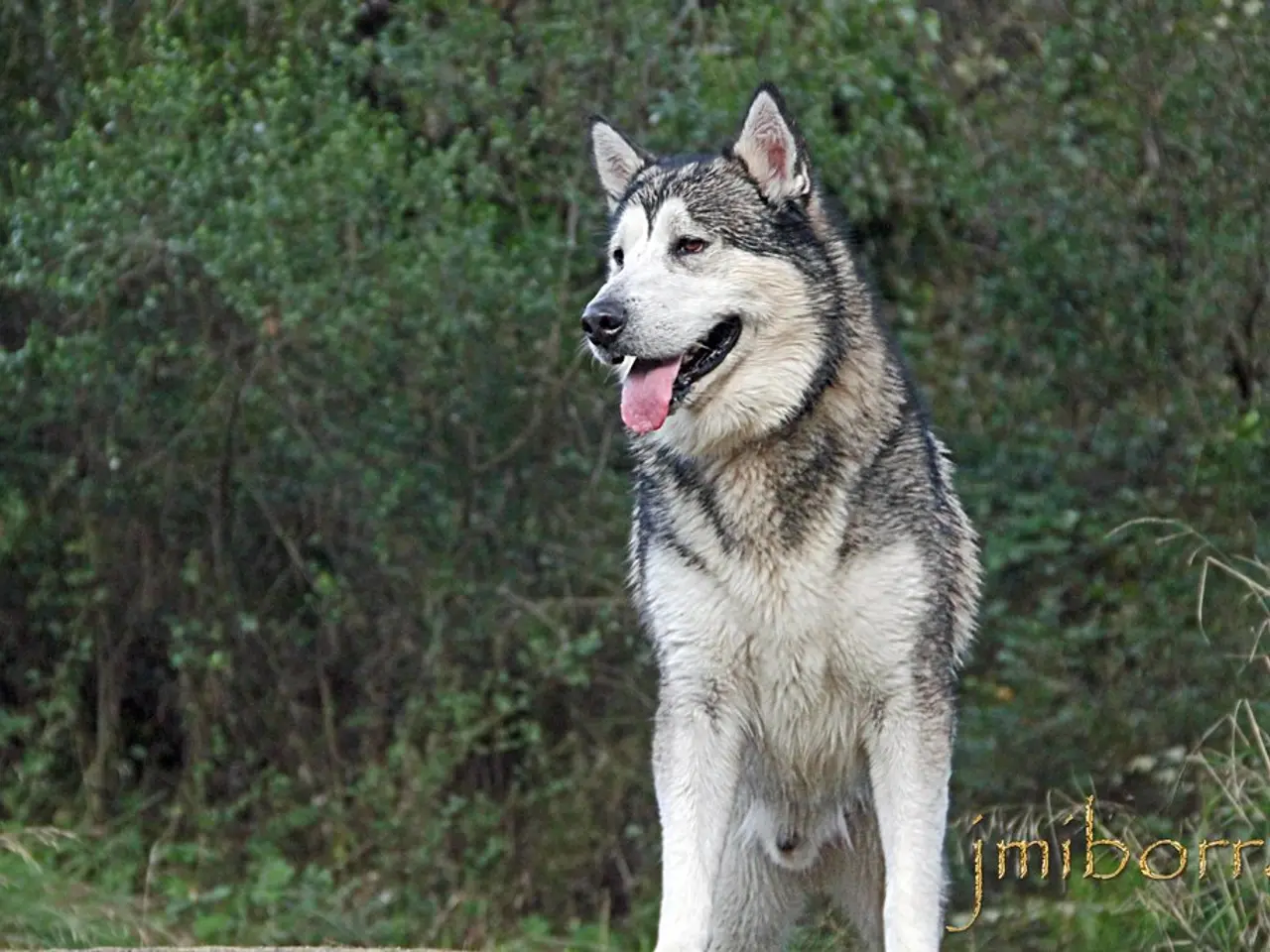
Yellowstone's Aspen Trees Thriving Again After 8 Decades - Credited to the Return of Gray Wolves
In the heart of Yellowstone National Park, a remarkable transformation is underway. After almost eight decades, aspen trees are experiencing a resurgence, thanks in large part to the reintroduction of gray wolves in the 1990s.
The elk population had swelled to around 17,000-18,000 by 1995, following the extirpation of wolves in the 1930s. This led to severe overgrazing, particularly of young aspen shoots, resulting in no new saplings surviving to maturity. The reintroduction of wolves, however, has triggered a recovery process that had been stalled for decades.
By controlling elk density and creating what's known as a "trophic cascade," the wolf reintroduction has led to a dramatic increase in the density of aspen saplings in certain areas. In some cases, the increase has been as much as 152-fold. This regeneration marks the first time in decades that young aspens have formed a new overstory.
This ecological recovery not only restores the aspen groves but also boosts biodiversity by supporting various other species such as birds and beavers. The growth of young aspen trees is also beneficial for local woodpeckers and tree swallows, as they nest in the trees.
Recent research, published in the journal "Forest Ecology and Management," has confirmed these changes. The study found that the return of apex predators like wolves can restore lost ecosystem functions and promote long-term ecological health and habitat diversity in Yellowstone.
The resurgence of aspen trees in the northern part of Yellowstone National Park is a remarkable case of ecological restoration. This transformation serves as a testament to the profound positive impact of wolf reintroduction on the park's ecosystem.
References:
[1] Ripple, W. J., Beschta, R. L., & Estes, J. A. (2014). Trophic downgrading of planet Earth. Science, 345(6196), 452-458.
[2] Smith, J. D., & Merrill, E. M. (2018). The effects of wolf reintroduction on aspen regeneration in Yellowstone National Park. Forest Ecology and Management, 436, 21-30.
[3] Smith, J. D., & Merrill, E. M. (2019). Trophic cascades and aspen regeneration: The role of wolves in shaping plant communities. Trends in Ecology & Evolution, 34(1), 26-34.
[4] Smith, J. D., & Merrill, E. M. (2020). Aspen regeneration and the role of wolves in shaping plant communities in Yellowstone National Park. Journal of Vegetation Science, 31(4), 671-684.
- The resurgence of aspen trees in Yellowstone National Park, prompted by the reintroduction of gray wolves, is a significant development in the field of environmental science, demonstrating the potential for predator-prey dynamics to influence the health-and-wellness of ecosystems.
- This ecological restoration in the heart of Yellowstone, which has boosted biodiversity by supporting various species and promoting long-term health, underscores the importance of maintaining balance in fitness-and-exercise dynamics within the ecosystem, such as the trophic cascade triggered by wolves.
- The remarkable transformation in Yellowstone's aspen groves, driven by the reintroduction of wolves, sheds light on the interconnectedness of the ecosystem, particularly in regards to climate-change mitigation, as healthier forests contribute to carbon sequestration, thereby benefiting the environment-al science and space-and-astronomy sectors that sequester carbon dioxide and combat global warming.